Wildlife gardening
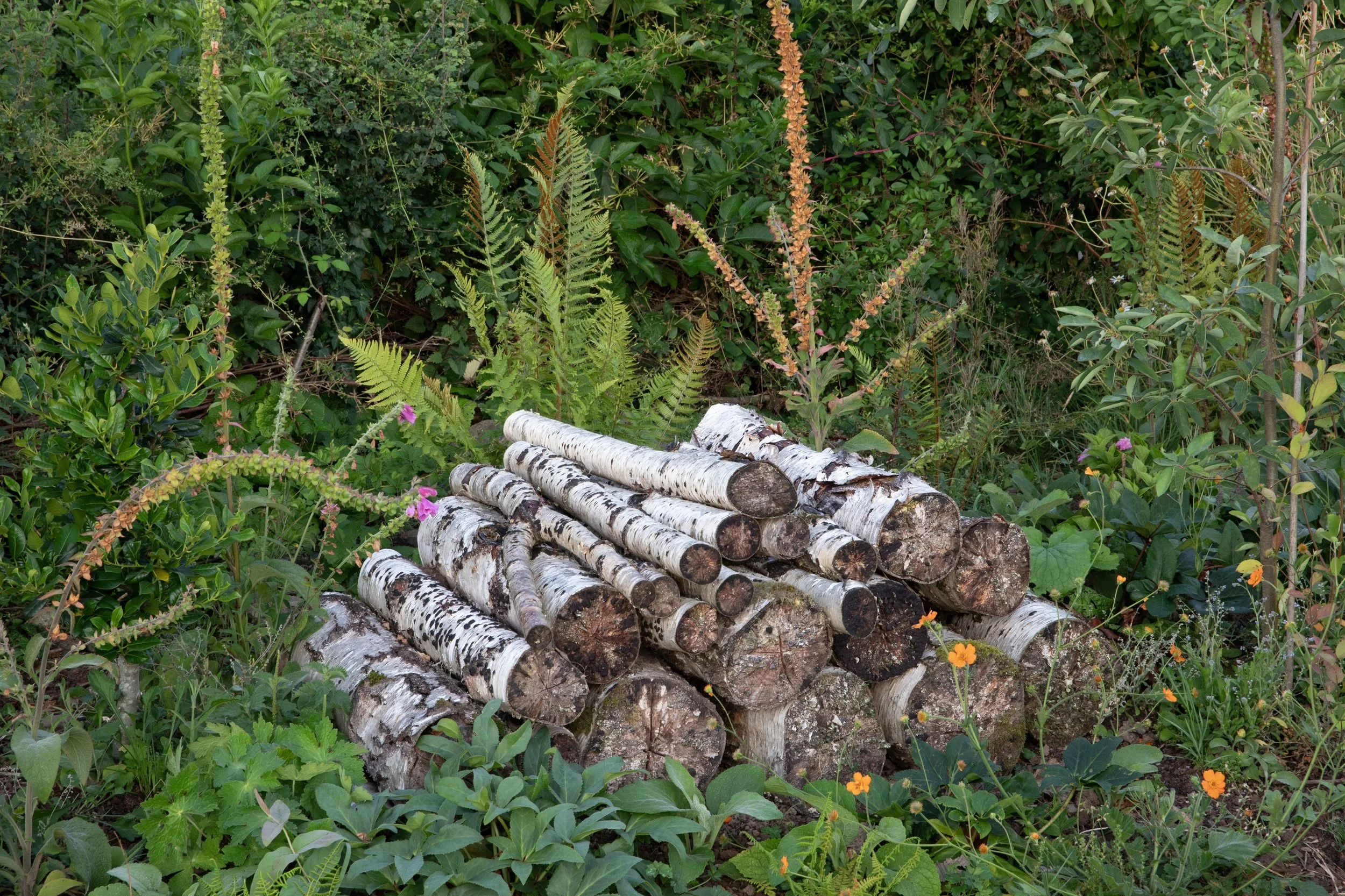
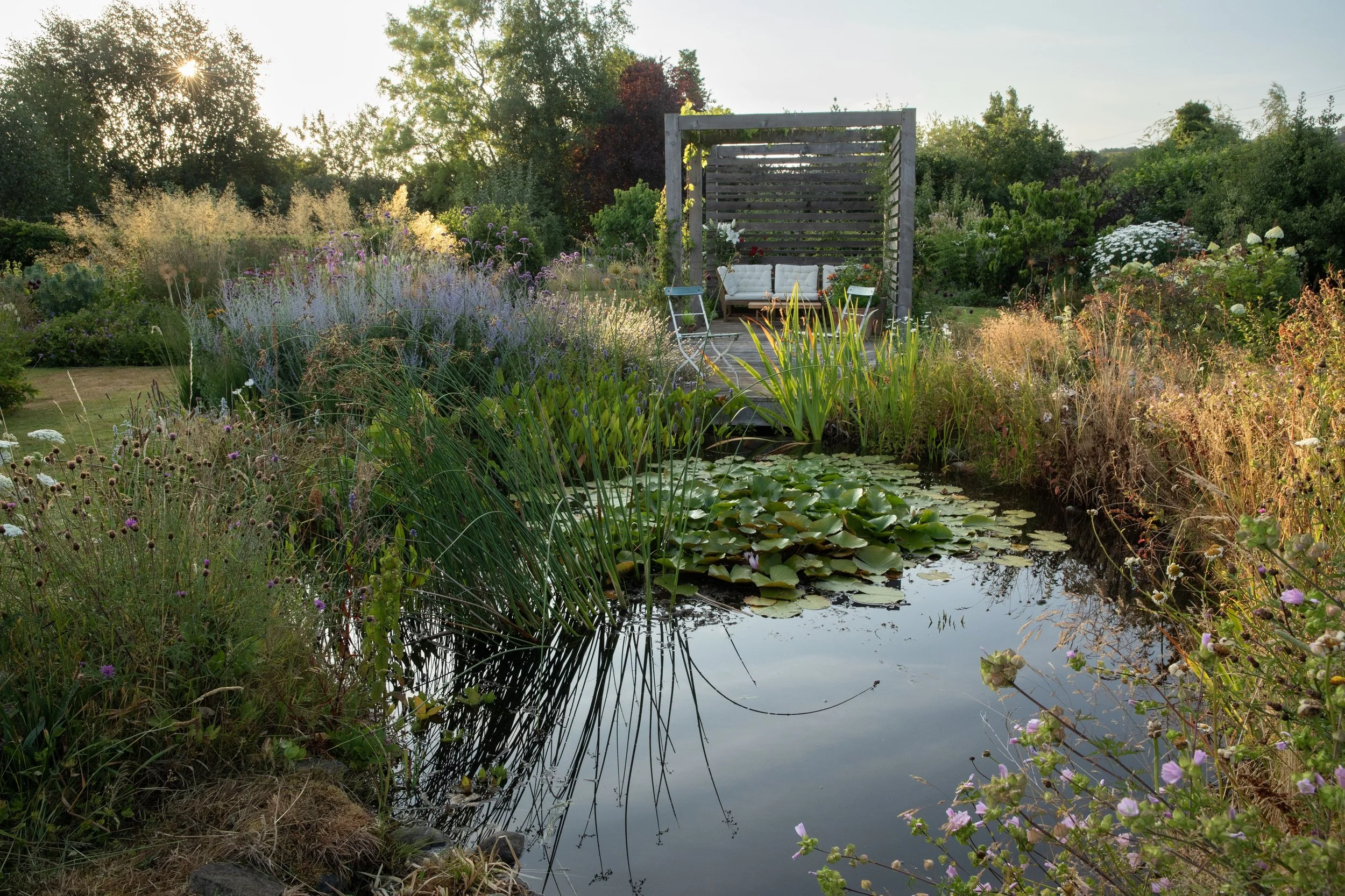
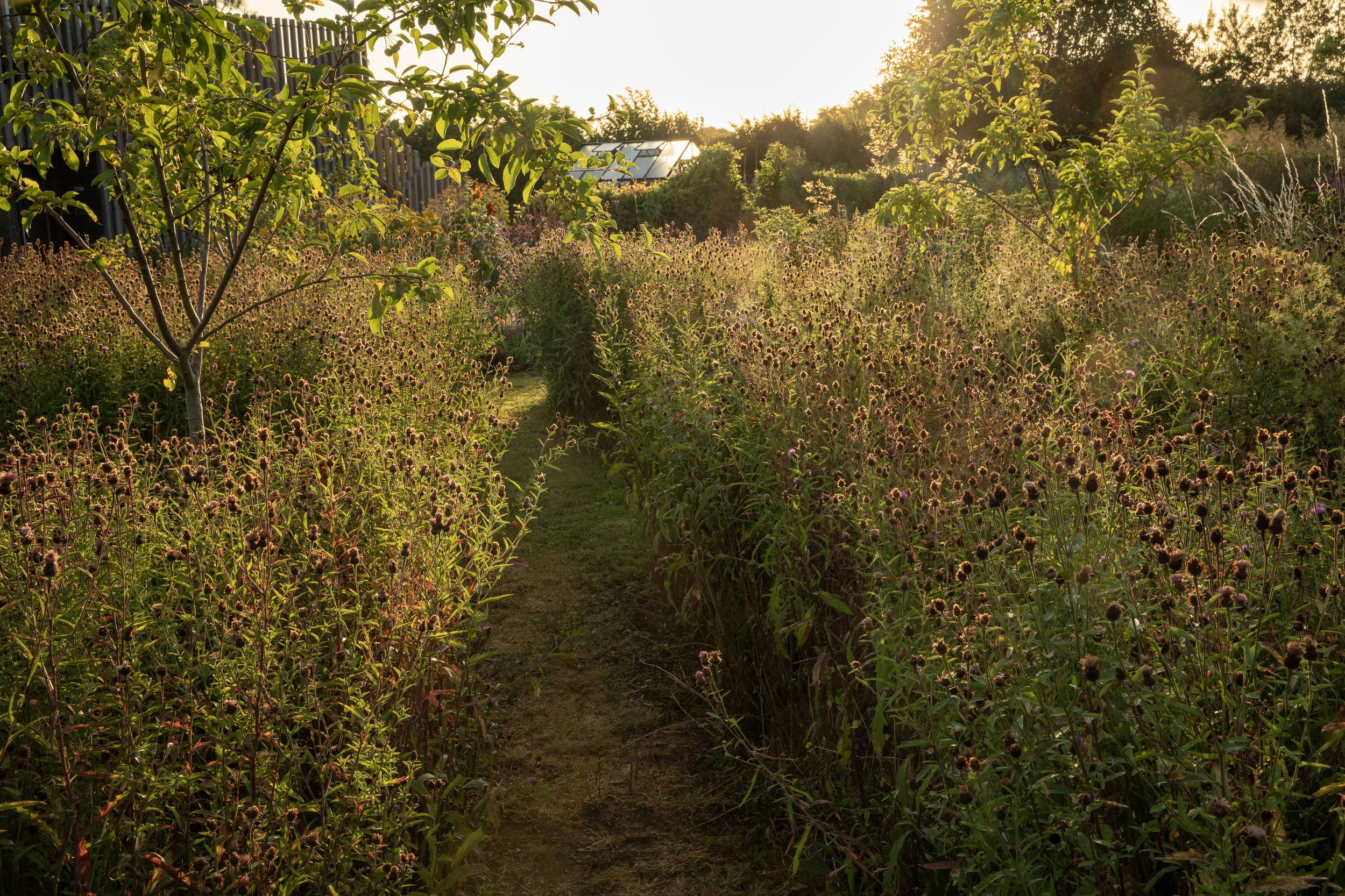
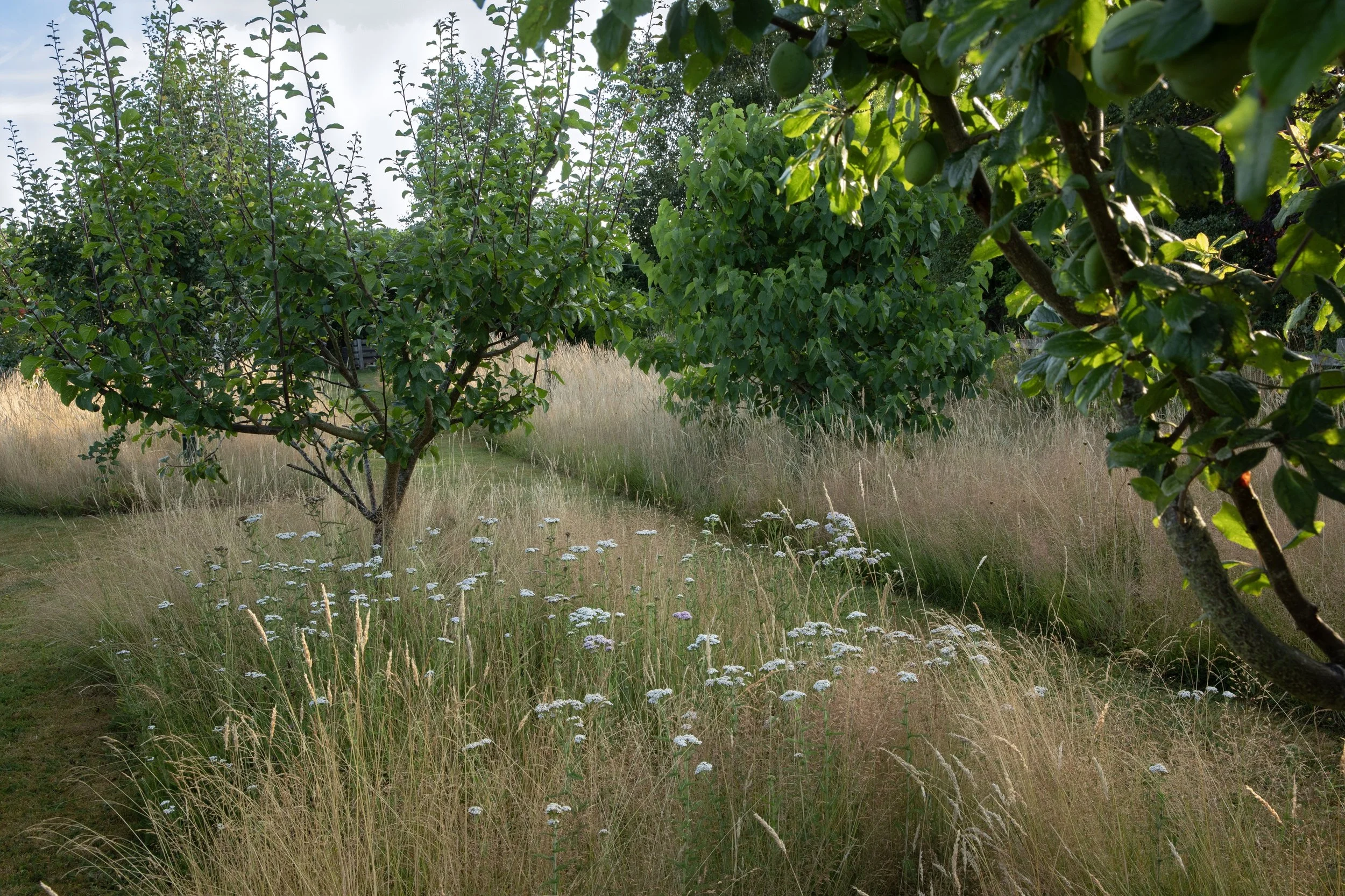
There is no particular magic to ‘gardening for wildlife’ but there are some broad principles that can help provide food and a home for wildlife. Choose a mix of native and non- native flowers, shrubs and trees which offer nectar quality, seed heads, berries and fruits across the year. Don’t be too tidy – wildlife loves a pile of leaves, a patch of nettles, or an area of longer grass. If you can leave a pile of logs to slowly rot in the corner of the garden, it will fast become a refuge for minibeasts and a buffet for birds. Don’t cut back your flowerbeds until March, leaving somewhere for beneficial insects to overwinter and a Winter-feeding station for finches. Add a pond if you can and it will be the biggest siren call to wildlife from miles around but any body of water, however small, can offer a vital lifeline to wildlife during increasingly hot Summers. More wildlife in your garden will help control the pests and avoid the need for harmful chemicals or slug patrolling at night with a head torch!